Climate Comes First in This Decision
In Littleton, Colorado, flooring decisions aren’t just about design preference, they’re about climate survival, long-term value, and how well your home handles real seasonal stress. Between dry winters, sun-filled summers, and constant indoor heating, materials expand, contract, and react in ways that directly affect performance.
That’s why the hardwood vs. tile debate matters so much here. On the surface, both look premium. But underneath, they behave very differently. One responds to humidity changes. The other resists them almost entirely. And depending on your home’s layout, especially in areas like Ken Caryl, Highlands Ranch, or Old Town Littleton, the “better” choice can shift based on function, lifestyle, and resale goals. At Independent Floorings, this is one of the most common conversations we have with homeowners before a project even begins.
What is the best flooring for Colorado climate?
There isn’t a single “best” flooring for all Colorado homes, but the choice usually comes down to moisture stability vs. warmth and comfort.
Tile flooring performs extremely well in Colorado’s dry climate because it does not expand or contract with humidity changes. It stays dimensionally stable year-round.
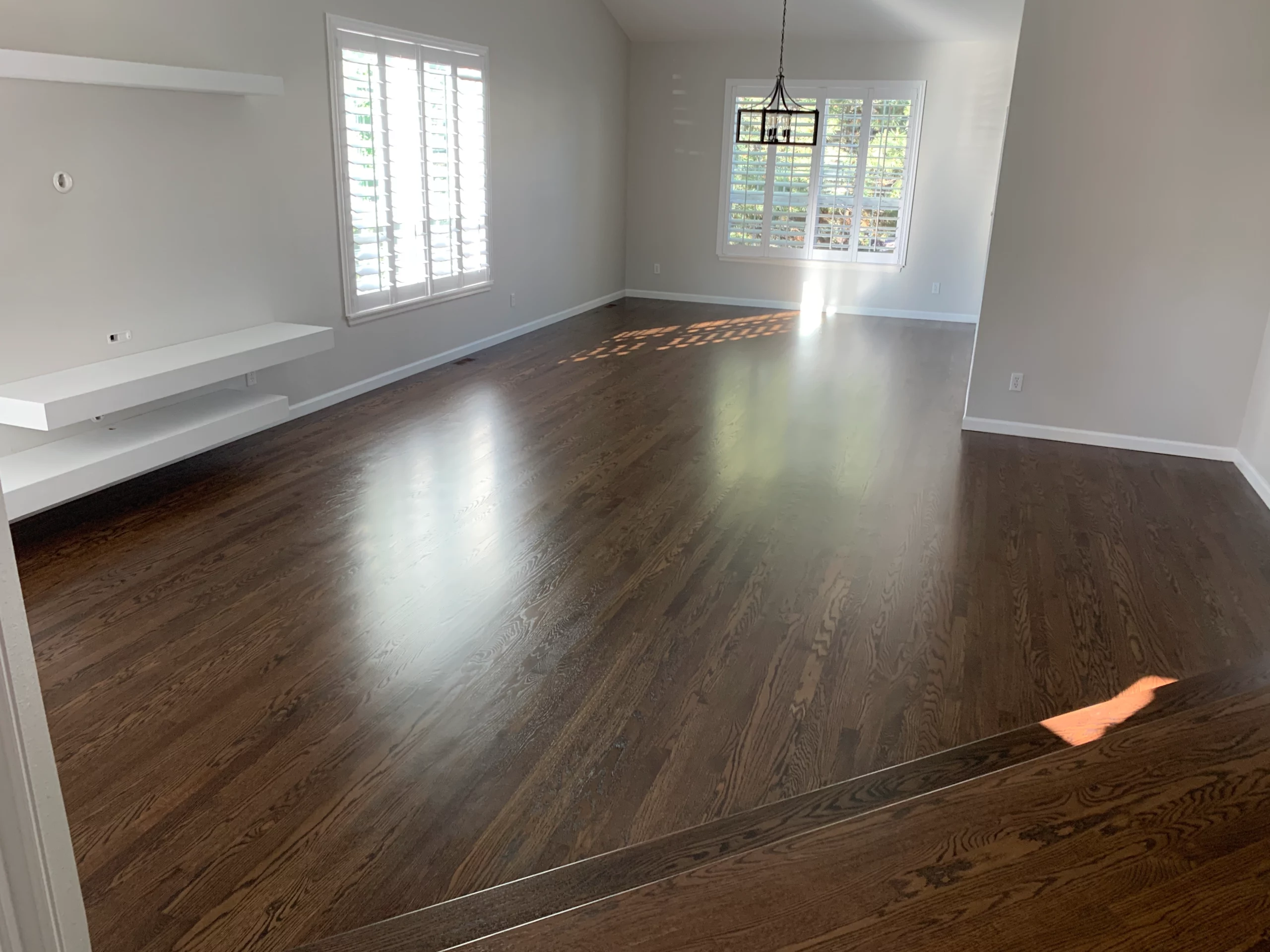
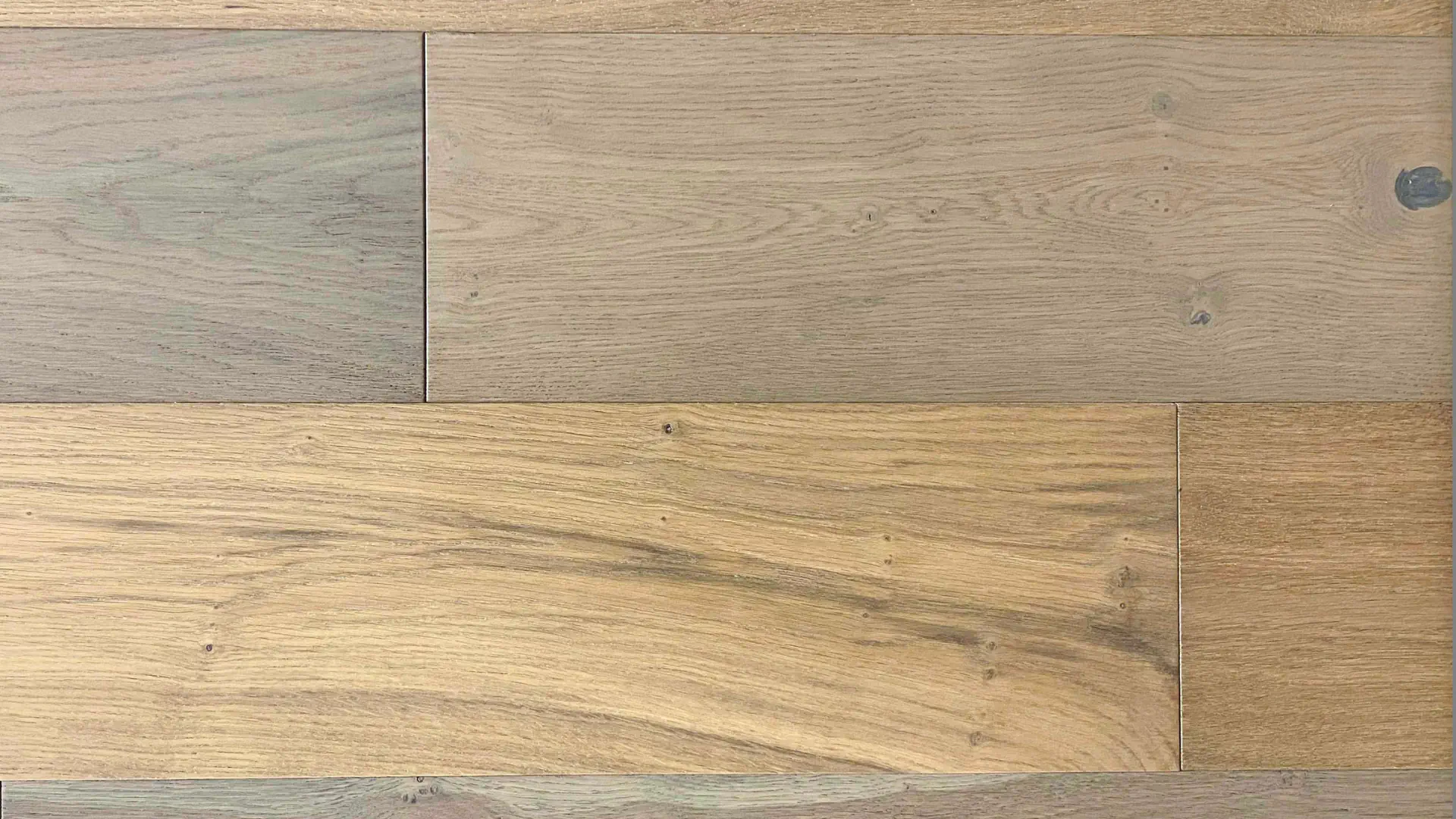
Hardwood flooring Littleton homeowners install, especially engineered hardwood, performs well when properly installed and acclimated, but it naturally reacts to seasonal humidity shifts with slight expansion or contraction.
In Littleton homes, tile is often preferred in:
- Bathrooms
- Entryways (snow, moisture, mud zones)
- Basements
Hardwood is preferred in:
- Living rooms
- Bedrooms
- Open-concept main floors
The “best” solution is often a combination of both, tile in high-moisture or high-traffic zones, and hardwood in main living areas for warmth and resale appeal.
Is tile that looks like wood tacky?
No, wood-look tile is not inherently tacky. In fact, in modern Colorado homes, it’s often used intentionally for durability with a natural aesthetic.
However, the final result depends heavily on:
- Tile quality and texture realism
- Grout color (poor contrast can make it look artificial)
- Installation pattern (straight lay vs. random offset)
- Overall interior design consistency
High-quality wood-look tile can look extremely realistic and is often used in luxury homes where homeowners want the appearance of hardwood but need waterproof performance, especially in mudrooms or basements.
Lower-quality versions, however, can appear repetitive or overly glossy, which is where the “tacky” reputation comes from. In Littleton’s higher-end market, installers typically recommend more natural matte finishes and wider planks for a realistic wood effect.
What type of flooring adds the most value to a home?
In most Littleton and South Metro Denver homes, hardwood flooring adds more resale value than tile in main living areas.
Here’s why:
- Buyers strongly associate hardwood with premium home quality
- Hardwood creates a warm, continuous flow across open floor plans
- It photographs better in listings and online marketing
- It appeals to a broader range of buyers than tile-heavy interiors
That said, tile adds value in functional spaces, especially kitchens, bathrooms, and entryways where water resistance matters. Homes that strategically combine both materials often perform best in resale scenarios. So the real value strategy isn’t choosing one over the other, it’s placing each material where it performs best, which is exactly how our team at Independent Floorings approaches every layout consultation.
Is tile flooring better than hardwood flooring?
Tile is “better” in terms of durability and moisture resistance, while hardwood is “better” in terms of comfort, warmth, and resale appeal.
Tile advantages:
- Waterproof and highly durable
- Ideal for wet or high-traffic areas
- Low maintenance and long lifespan
- Excellent for Colorado entryways and basements
Hardwood advantages:
- Higher perceived home value
- Warmer and more comfortable underfoot
- Easier to refinish instead of replace
- More desirable in living and bedroom spaces
In Littleton’s climate, tile handles environmental stress better, but hardwood often delivers stronger emotional and financial returns. That’s why many local homes use a hybrid approach rather than choosing one exclusively.
Already Have Hardwood? Don’t Rule Out Restoring It First
If your home already has hardwood in the main living areas but it’s showing wear, dullness, or scratches, a full tile conversion isn’t always necessary. Littleton hardwood floor refinishing can bring those floors back to life and restore the warmth buyers respond to, often at a lower cost than ripping everything out and starting over.
Similarly, if only certain sections have taken damage, water rings near an entryway, warped boards near a mudroom transition, hardwood floor repair Littleton services can fix those specific problem areas without disrupting the rest of your flooring plan.
Let’s Find the Right Balance for Your Home
If you’re in Littleton, Colorado and deciding between hardwood flooring and tile, the right choice depends on how your home handles moisture, temperature changes, and long-term resale goals. Independent Floorings can help you map out where each material makes the most sense before any work begins.
When you’re ready, Schedule Your Project Planning Visit to get expert guidance on a flooring layout that balances durability, comfort, and value for your specific home.