New flooring can transform a home, but only when it’s done right. For homeowners in Littleton, the gap between a floor that lasts 30 years and one that buckles, squeaks, or fades within a few often comes down to decisions made before the first plank is ever laid.
From skipping subfloor prep to choosing the wrong materials for Colorado’s climate, these mistakes are common, costly, and, with the right guidance, completely avoidable. At Independent Floorings, we’ve seen what goes wrong when corners get cut, and we’ve built our process around making sure it doesn’t happen on our jobs.
What Flooring Mistakes Should I Avoid?
The most damaging mistakes happen before installation begins. Here’s what to watch for:
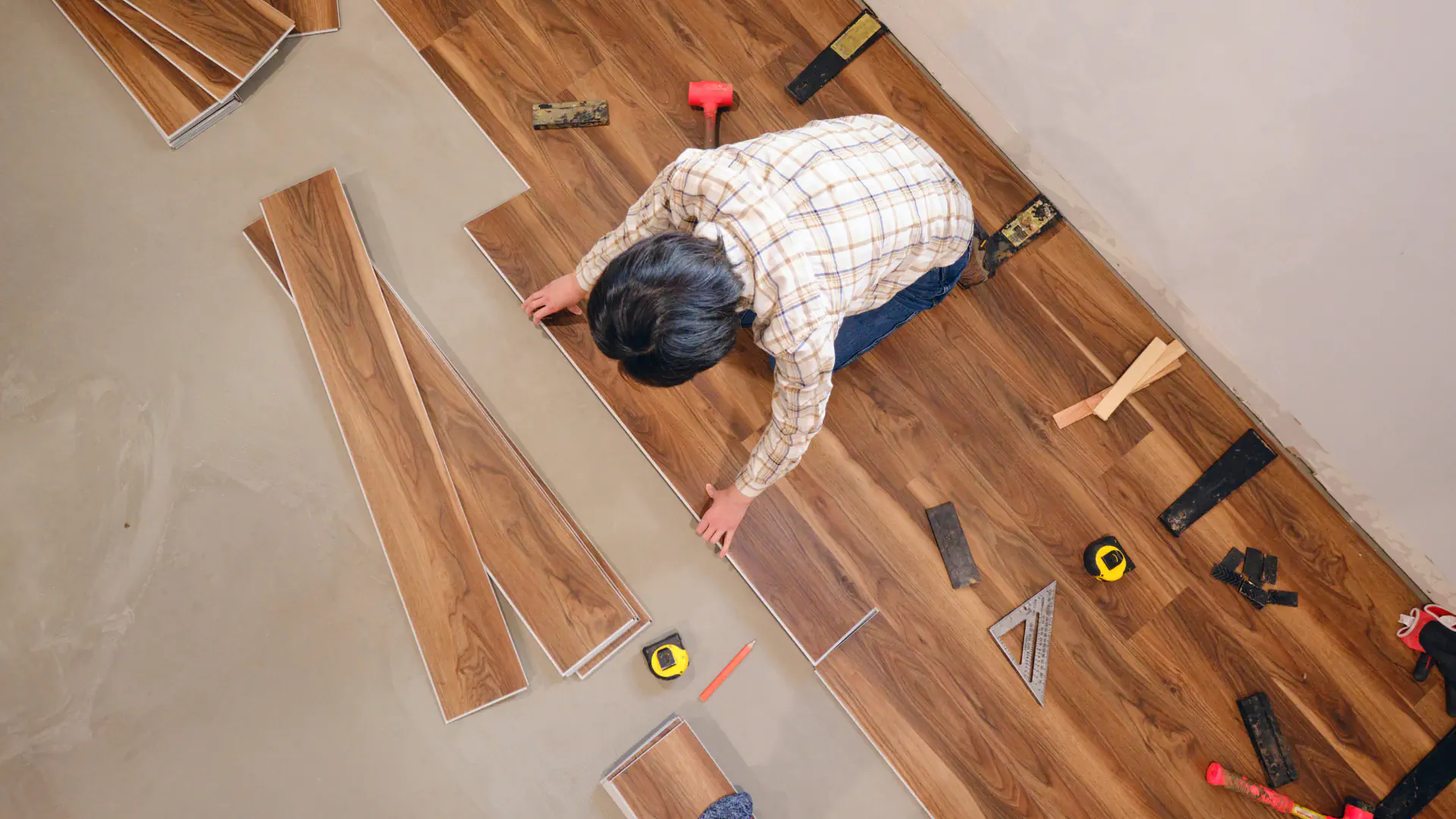
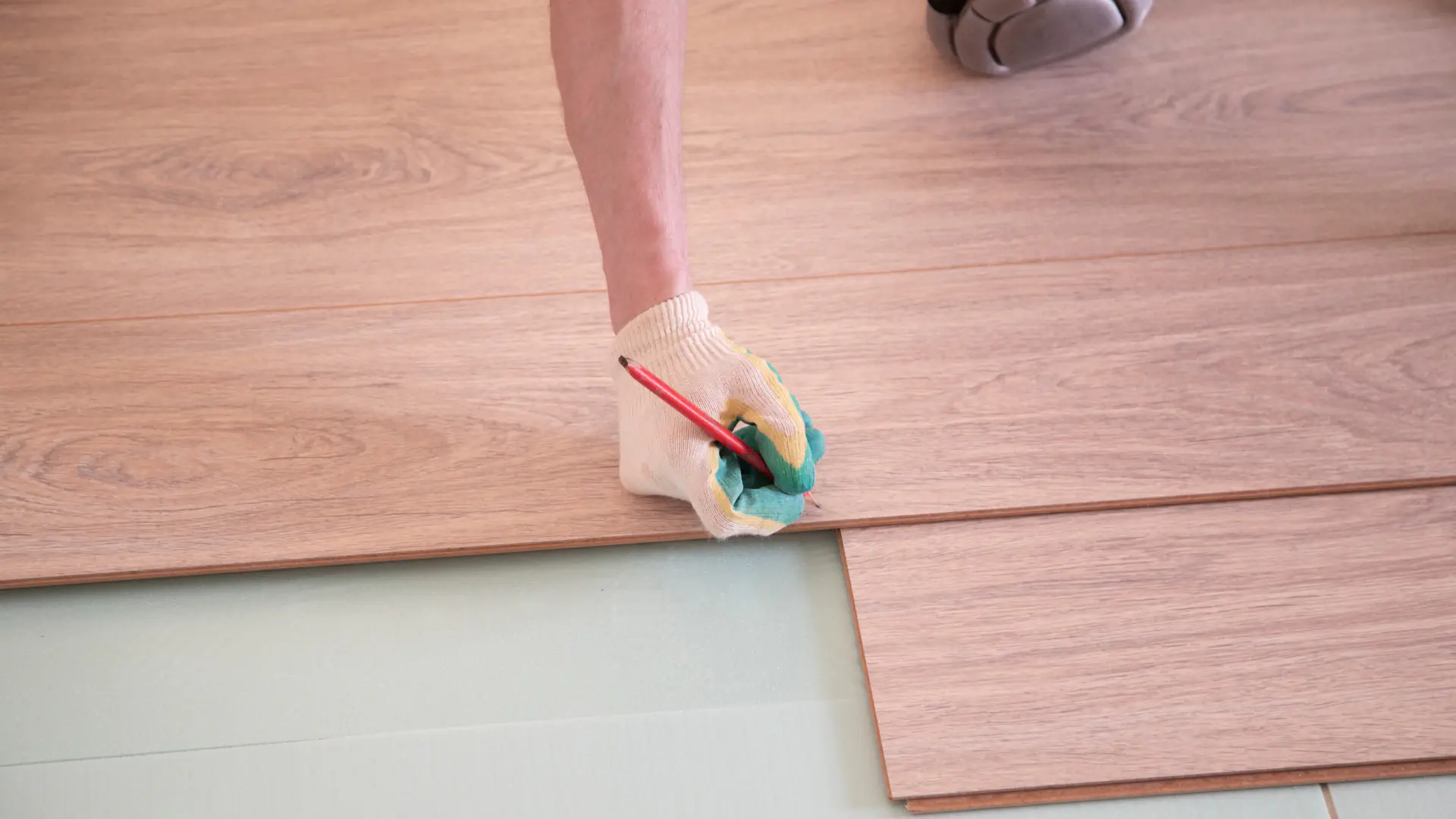
Skipping subfloor preparation. Even minor unevenness in a subfloor leads to squeaking, gapping, and buckling over time. A floor is only as stable as the surface beneath it, and no amount of quality material compensates for a subfloor that wasn’t properly leveled, cleaned, and inspected first.
Skipping acclimation. Hardwood and engineered wood need time to adjust to the temperature and humidity of your specific home before installation. In Littleton’s dry, high-altitude climate, this step is non-negotiable. Floors installed without proper acclimation are far more likely to warp or develop gaps as the seasons change.
Incorrect expansion gaps. Wood expands and contracts with the seasons. Without properly spaced expansion gaps along walls and transitions, even a well-installed floor has nowhere to move, leading to buckling or cupping over time.
Ignoring moisture barriers. In basements or over concrete slabs, moisture mitigation is essential. Overlooking it is one of the leading causes of mold growth and premature floor failure, two problems that are expensive to fix and easy to prevent.
Using the wrong adhesives or fasteners. Not all installation hardware is interchangeable. Mismatched adhesives, incorrect nail spacing, or fasteners that don’t suit the material compromise the structural integrity of the entire floor.
Disregarding manufacturer guidelines. Installation instructions exist for a reason. Skipping them, even partially, can void warranties and create problems that only surface months later.
Homeowners searching for hardwood flooring in Littleton are often surprised to learn that most flooring failures trace back to these early decisions, not to the wood itself. The material rarely fails, the preparation does.
What Is the Rule of 3 in Flooring?
The rule of 3 is a practical design principle: limit your home to no more than three distinct flooring types to maintain visual cohesion from room to room.
A straightforward and effective combination for most Littleton homes:
- Hardwood in main living areas and high-traffic zones
- Tile in bathrooms, kitchens, and utility spaces
- Carpet in bedrooms for comfort and sound absorption
When homes incorporate too many flooring materials, four, five, or more, spaces begin to feel fragmented and disconnected. Buyers notice this, even when they can’t immediately name what feels off. It subtly reduces perceived value and makes rooms feel smaller than they are.
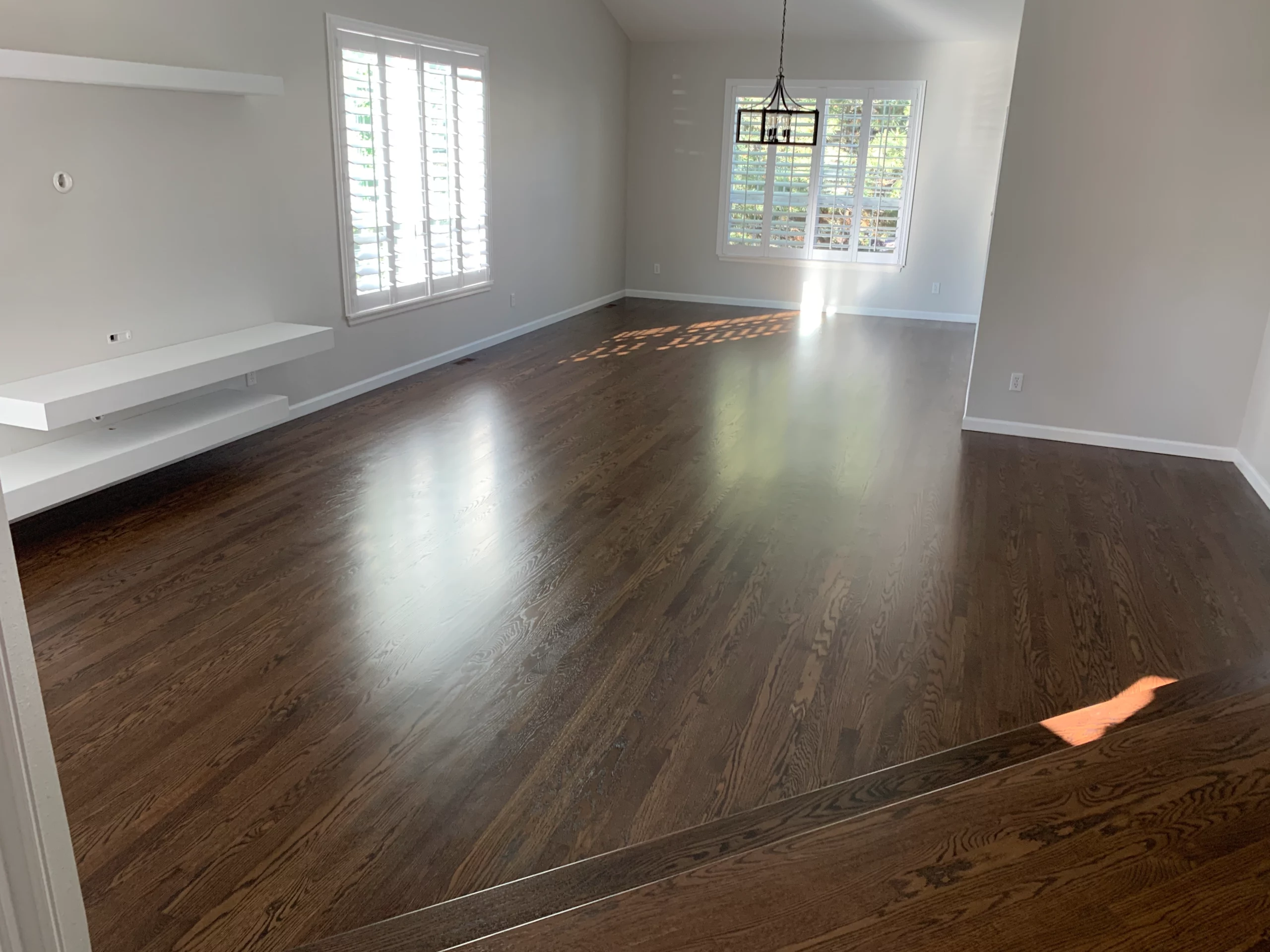
For homeowners investing in Littleton hardwood flooring, this principle reinforces why consistency matters. Carrying the same hardwood species and finish through your main living areas creates a sense of continuity that registers immediately, and favorably, with anyone walking through.
The same logic applies to Littleton hardwood floor refinishing projects. When refinishing is done across multiple rooms in one pass, you preserve that visual flow. Refinishing only one section of a connected space often creates a mismatch in sheen or tone that draws the eye in the wrong direction.
What Is the Best Flooring for Asthma Sufferers?
Indoor air quality is one of the most undervalued factors in flooring decisions, and one of the most important for families managing asthma, allergies, or chronic respiratory sensitivities.
Carpet traps dust, pollen, pet dander, and other allergens in its fibers. Even with regular vacuuming, it holds significantly more particulates than hard surface alternatives. For anyone with respiratory concerns, carpet in high-traffic or sleeping areas can quietly worsen symptoms over time.
The healthiest hard-surface options include:
- Solid or engineered hardwood: durable, easy to clean, and free of fiber-trapping surfaces
- Tile and natural stone: non-porous and moisture-resistant, ideal for bathrooms and kitchens
- Bamboo: a renewable hard-surface alternative with similar air quality benefits
One critical caveat: not all hard-surface flooring is created equal. Some low-grade products use adhesives and finishes with high VOC (volatile organic compound) content, which off-gas into indoor air and can trigger respiratory irritation, especially in tightly sealed homes. When selecting hardwood flooring in Littleton, ask specifically about low-VOC finish options and ensure any adhesives used meet indoor air quality standards.
At Independent Floorings, we’re transparent about the products we use and why. Healthier homes start with informed material choices, and we help clients make them with confidence.
How Much Does It Cost to Install Hardwood Floors for $2000 Sq Ft?
For most Littleton homeowners, a professional hardwood flooring Littleton installation runs between $8 and $15 per square foot, inclusive of materials and labor. For a 2,000 sq ft project, that translates to a realistic range of $16,000 to $30,000 depending on wood species, grade, installation method, and site conditions.
Here’s what drives costs up or down:
| Factor | Impact on Cost |
| Wood species (oak vs. walnut vs. exotic) | Moderate to significant |
| Site conditions and subfloor prep | Often underestimated |
| Moisture mitigation requirements | Variable by home |
| Finish type (site-finished vs. pre-finished) | Affects labor and timeline |
| Nail-down vs. glue-down vs. floating | Method affects material and labor cost |
In Colorado’s dry, high-altitude environment, subfloor moisture testing and acclimation protocols add meaningful time to the process, but skipping them to save money is a trade-off that rarely ends well. Many of the hardwood floor repair Littleton calls we receive trace back to installations that cut this step short.
Budgeting for the full scope, prep, materials, installation, and finishing, ensures the investment holds up. A floor installed correctly the first time rarely needs the kind of attention that rushed or underbudgeted work inevitably requires.
Final Thoughts, Start With a Conversation, Not a Guess
Avoiding flooring mistakes isn’t about knowing everything before you start. It’s about working with someone who does.
The right professional asks the right questions first: What’s your subfloor condition? What’s the moisture reading? What species performs best for your foot traffic, your lifestyle, your climate? Those questions, and the honest answers that follow, are what separate a floor that holds its value from one that creates problems down the road.
No pressure. No overselling. Just a clear-eyed assessment of your space, your options, and what will actually serve you best.
Reach out to Independent Floorings today to schedule your consultation and take the first step toward floors that are built, and built right, to last.