What Is the Healthiest Flooring to Put in Your House?
When homeowners in Littleton think about flooring, they often focus on looks, durability, or cost. Health rarely comes first until allergies, asthma, or lingering odors become impossible to ignore. Flooring plays a bigger role in indoor air quality than most people realize, especially in homes where families spend most of their time indoors.
The healthiest flooring choice minimizes toxins, avoids trapping allergens, and stays easy to clean without harsh chemicals. The good news is that you have several strong options that balance health, performance, and long-term comfort. Independent Floorings helps homeowners evaluate hardwood flooring Littleton installations and other healthy flooring materials based on real-world air quality concerns, not just marketing claims.
What Type of Flooring Is the Least Toxic?
The least toxic flooring options include materials that emit little to no harmful gases once installed and don’t rely on synthetic binders or plasticizers.
Top least-toxic flooring materials:
- Solid hardwood with low-VOC finish: No synthetic fibers, minimal chemical emissions
- Natural cork flooring: Renewable, antimicrobial, and naturally low-emission
- Porcelain or ceramic tile: Completely inert with zero off-gassing
- Natural stone: Slate, travertine, or marble, no chemical additives
When evaluating Littleton hardwood flooring for toxicity, ask about the finish specifically. The wood itself emits almost nothing, but conventional oil-based polyurethanes contain higher VOC levels than water-based alternatives. Independent Floorings prioritizes water-based finishes for health-conscious clients and provides detailed emission information before installation begins.
Which Floor Is Most Healthy?
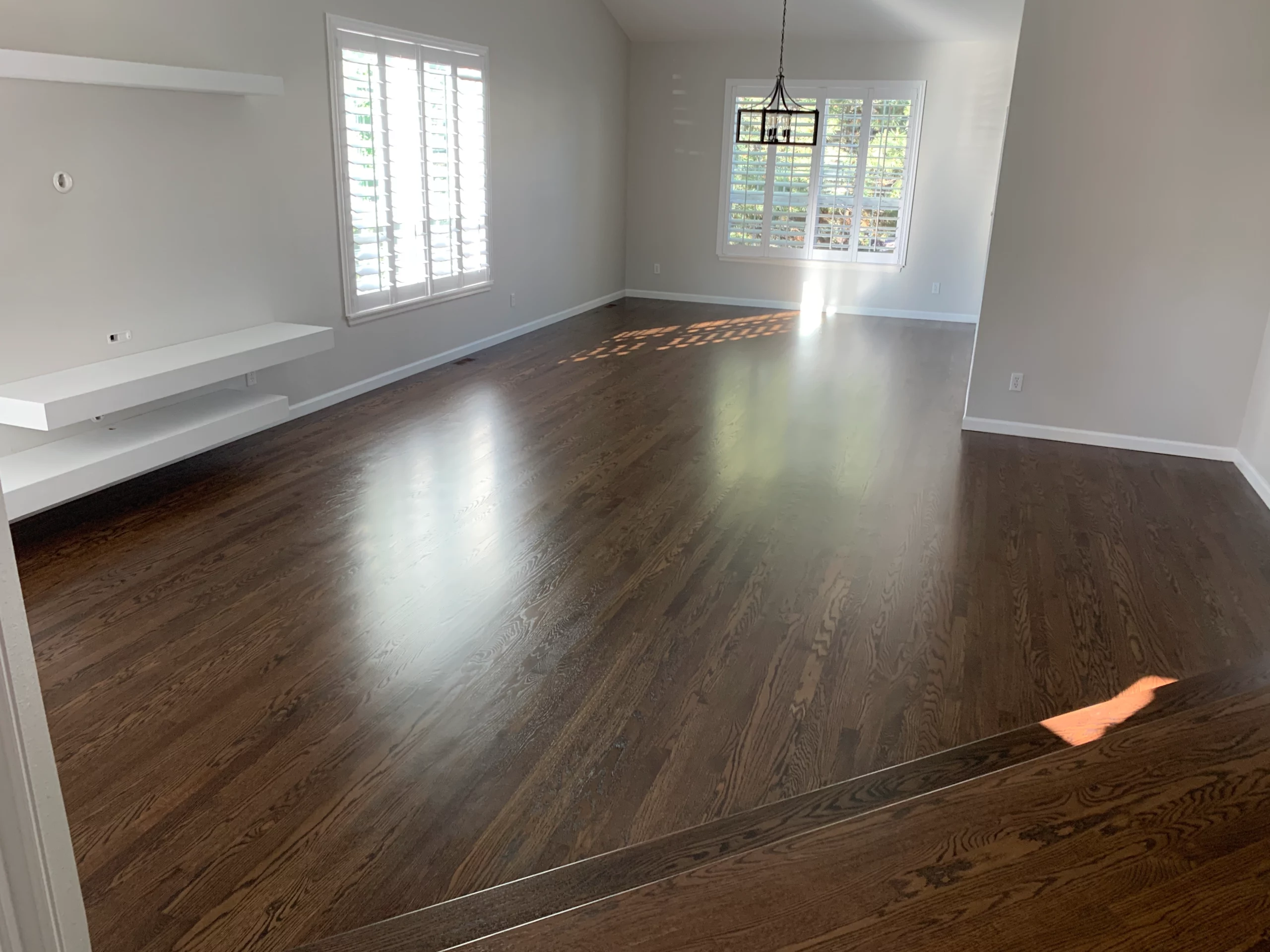
From a whole-home perspective, hardwood flooring remains the most balanced healthy option. It supports health by avoiding allergen buildup, cleaning easily with minimal products, and allowing refinishing instead of replacement. This combination reduces both chemical exposure and waste over time.
Why hardwood supports long-term health:
- No allergen trapping: Dust and pollen stay on the surface for easy removal
- Minimal cleaning products needed: Plain water or pH-neutral cleaners suffice
- Refinishing extends life: Instead of replacing flooring (and introducing new materials), Littleton hardwood floor refinishing restores existing floors with minimal chemical use
- Stable once cured: After the finish cures, hardwood emits virtually nothing
Independent Floorings often recommends hardwood flooring Littleton installations for families with asthma, allergies, or young children because it simplifies long-term maintenance while supporting clean indoor air. Unlike carpet, which requires frequent deep cleaning with potentially harsh chemicals, hardwood stays healthy with simple sweeping and occasional damp mopping.
What Is the Rule of 3 Flooring?
The rule of 3 flooring helps homeowners think long-term about health, durability, and maintenance:
- Choose materials that last 30+ years: Longevity reduces replacement frequency and limits exposure to new materials
- Limit exposure to 3 major toxin sources or fewer: Avoid flooring with formaldehyde, phthalates, and high-VOC finishes
- Maintain with 3 simple cleaning steps: Sweep, damp mop, and occasional professional care, no harsh chemicals needed
Flooring that meets this rule usually supports both durability and health. Littleton hardwood flooring satisfies all three criteria when properly installed and maintained. Solid hardwood easily lasts 30+ years (often 60+ with refinishing), emits minimal toxins when low-VOC finishes are used, and requires only basic cleaning to stay healthy and beautiful.
Independent Floorings uses this framework when consulting with clients. If a flooring material requires frequent replacement, complicated cleaning routines, or contains multiple concerning chemicals, it fails the rule of 3 test, and we recommend alternatives.
Which Type of Flooring Is Best for Health?
The best flooring for health depends on your specific priorities and household needs:
For Allergy-Sensitive Homes
Hardwood or tile work best because they prevent allergen accumulation and clean thoroughly without chemical residue. If anyone in your household suffers from asthma, dust allergies, or pet dander sensitivity, hardwood flooring Littleton installations dramatically improve daily comfort.
For Eco-Focused Households
Cork or bamboo offer renewable, low-impact options with natural antimicrobial properties. Both materials support environmental health and human health simultaneously. However, verify that the specific product uses non-toxic adhesives and finishes, not all cork and bamboo products meet high health standards.
For Low-Maintenance Health
Tile or sealed stone require the least maintenance while maintaining excellent health properties. They tolerate moisture, resist bacteria growth, and clean effortlessly. Pair tile in kitchens and bathrooms with Littleton hardwood flooring in living areas for a practical whole-home approach.
What to Avoid
- Carpet: Traps allergens, requires frequent chemical cleaning, and harbors dust mites
- Laminate with high-VOC adhesives: Some laminates emit formaldehyde long-term
- Vinyl with phthalates: Older vinyl products may contain phthalates linked to health concerns
- Flooring requiring harsh cleaners: Any material that needs strong chemicals for maintenance undermines health goals
Independent Floorings helps clients navigate these trade-offs during consultations. We assess your home’s conditions, discuss household health concerns, and recommend flooring that actually fits your situation, not just the healthiest material in theory.
Ready to Choose Healthier Flooring?
If you’re choosing new flooring with health in mind, a quick review of materials, finishes, and cleaning routines can make a noticeable difference long-term. The healthiest floor is the one that supports clean air, simple maintenance, and peace of mind every day you live with it.
Independent Floorings helps Littleton families select, install, and maintain flooring that prioritizes health without sacrificing performance or beauty. Contact us today to discuss your project, we’ll recommend options that fit your home’s conditions and your family’s health needs.