Choosing the Right Fit for Your Home
Choosing hardwood flooring Littleton homeowners can count on for the long haul isn’t just a design decision, it’s an investment shaped by climate, lifestyle, and even how a home feels underfoot. Many homeowners narrow it down to one key question: wide plank or narrow plank flooring? At first glance, it seems purely aesthetic. But in reality, the choice affects everything from how your floors handle Colorado’s dry air to how spacious your rooms appear.
In neighborhoods like Ken Caryl or Meadow Ranch, where home design leans toward modern-rustic and high-value finishes, flooring decisions carry real weight. A wrong choice can lead to visible seasonal gaps, uneven expansion, or a look that doesn’t match the home’s architectural tone. That’s why understanding the practical and visual differences between wide and narrow plank hardwood is essential, not just for style, but for performance in Littleton’s unique environment. At Independent Floorings, this is a conversation we have with homeowners nearly every week.
Wide Plank vs. Narrow Plank: The Core Differences
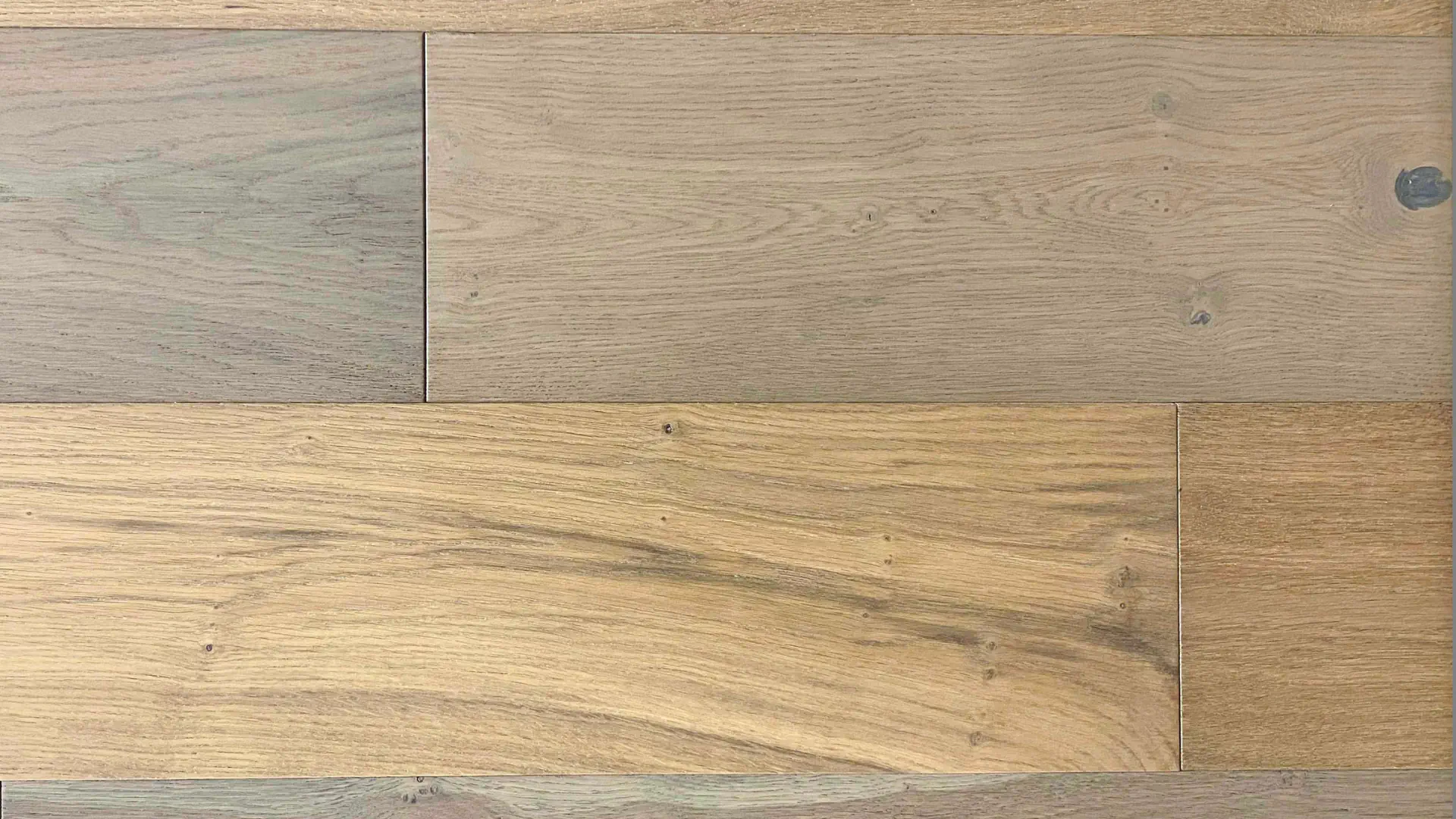
Wide plank hardwood flooring uses boards typically 5 to 10 inches wide, while narrow plank flooring uses strips closer to 2 to 4 inches. The main difference isn’t just appearance, it’s how each responds to movement, light, and space perception. Wide planks create a clean, modern, high-end look with fewer seams, making rooms feel more open and visually calm. However, because each board is wider, it tends to show seasonal expansion and contraction more clearly, especially in climates like Littleton, where dry winters can pull moisture from wood. This can lead to small gaps or cupping if installation and acclimation aren’t handled correctly.
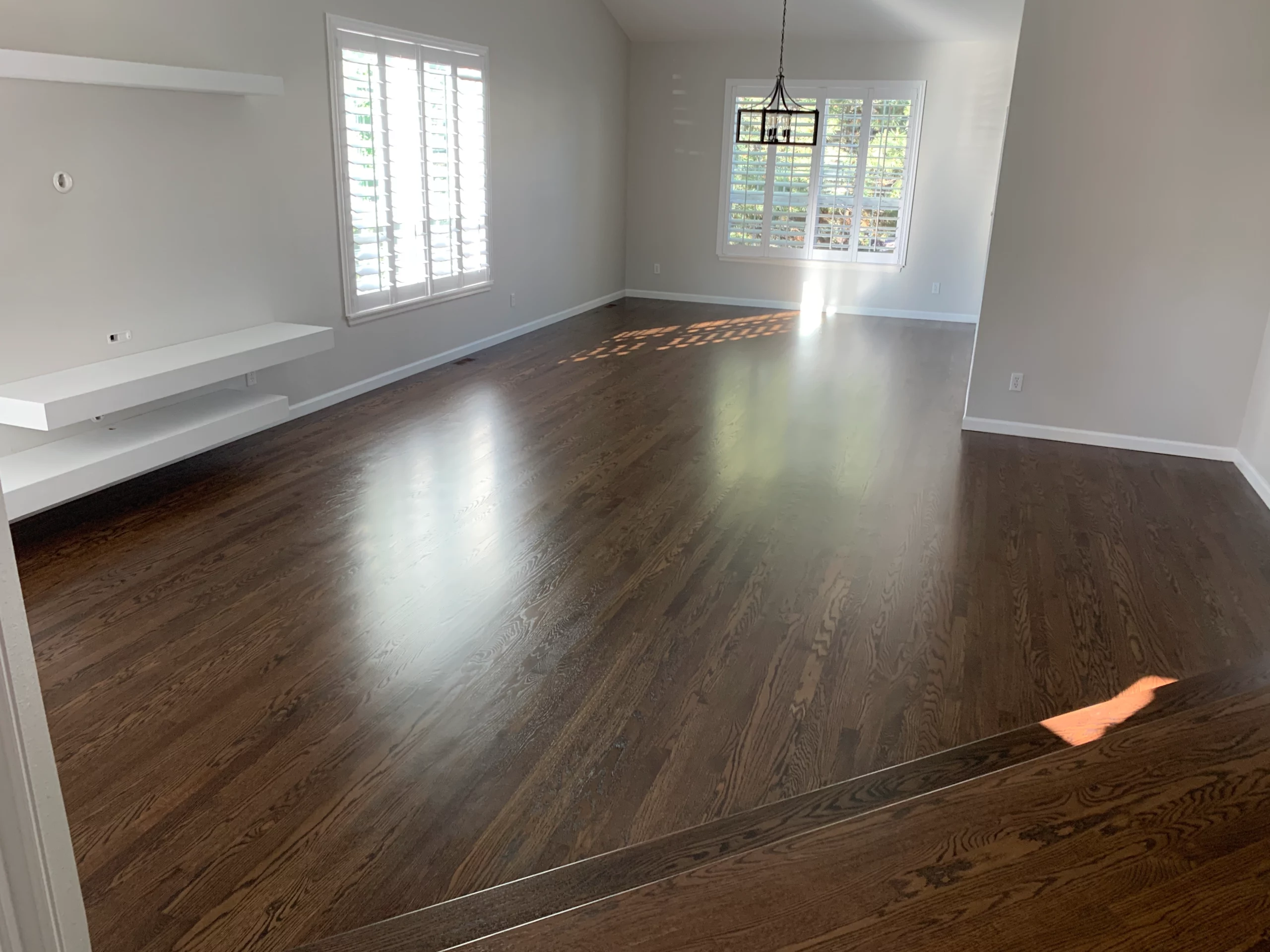
Narrow plank flooring, on the other hand, offers more stability because movement is distributed across more boards and seams. This makes it a practical choice for older homes or areas with more environmental fluctuation. It also creates a more traditional, detailed visual pattern that can make large spaces feel more structured. In short, wide planks prioritize modern aesthetics and openness, while narrow planks emphasize stability and classic design. The best choice depends on your home’s humidity control, subfloor condition, and desired visual effect, something our team at Independent Floorings evaluates on every project.
A Local Perspective: What Littleton Homes Actually Need
In Littleton, flooring installers often see the same pattern every winter: homeowners in newer builds choose wide plank oak for its modern appeal, only to notice slight gaps forming as indoor heating systems dry out the air. Meanwhile, older homes in established neighborhoods like Old Town Littleton tend to perform better with narrow plank floors because the structure has already settled over time.
One common real-world example involves basement remodels in South Metro Denver. Contractors frequently recommend engineered narrow plank flooring below grade because it handles moisture shifts more predictably. In contrast, wide plank installations are often reserved for main living areas where humidity can be better controlled. This isn’t about “good vs. bad” design, it’s about matching material behavior to Colorado’s dry, high-altitude environment. It’s also why so many homeowners turn to Littleton hardwood flooring specialists who understand these seasonal patterns firsthand, rather than relying on generic national guidance.
What are the disadvantages of wide plank flooring?
- More visible seasonal expansion and contraction
- Higher sensitivity to humidity changes
- Requires proper acclimation before installation
- Can show subfloor imperfections more easily
Is wide plank flooring too trendy?
Wide plank flooring is popular, but it’s not just a passing trend. In Littleton’s higher-end homes, it’s often chosen for resale value and modern design appeal. However, trends should never outweigh environmental suitability, especially in Colorado’s dry climate.
Do wide planks make a room look smaller?
No, wide planks usually make rooms look larger because there are fewer seams. The visual effect is cleaner and more open, which is why they’re commonly used in open-concept homes.
Are narrow plank floors coming back in style?
Yes, narrow planks are making a comeback, especially in traditional and craftsman-style homes. They offer texture, detail, and improved stability, which makes them practical for older properties and high-traffic areas.
When Your Floors Need More Than a Fresh Look
Not every flooring decision starts from scratch. If your existing hardwood has started to show its age, dull finishes, deep scratches, or fading in high-traffic zones, a full refinish may be the smarter move before considering a wide vs. narrow plank replacement. Littleton hardwood floor refinishing can restore the natural beauty of existing wide or narrow plank floors without the cost of a full tear-out, and it’s often the first step Independent Floorings recommends before any larger renovation conversation begins.
Similarly, homeowners dealing with isolated damage, water stains, warped boards, or squeaky sections, don’t always need a full replacement either. Hardwood floor repair Littleton services can address these problem areas directly, extending the life of your current flooring while you decide on a longer-term plan for the rest of the home.
Ready to Move Forward With Confidence
If you’re in Littleton, Colorado and trying to decide between wide plank and narrow plank hardwood, the best next step is a proper floor assessment based on your home’s structure, humidity levels, and design goals. The right choice isn’t just about style, it’s about long-term performance in Colorado’s climate, and it’s exactly where Independent Floorings can help you weigh the trade-offs with confidence.
Schedule Your Project Planning Visit and get clear guidance tailored to your space before installation begins.